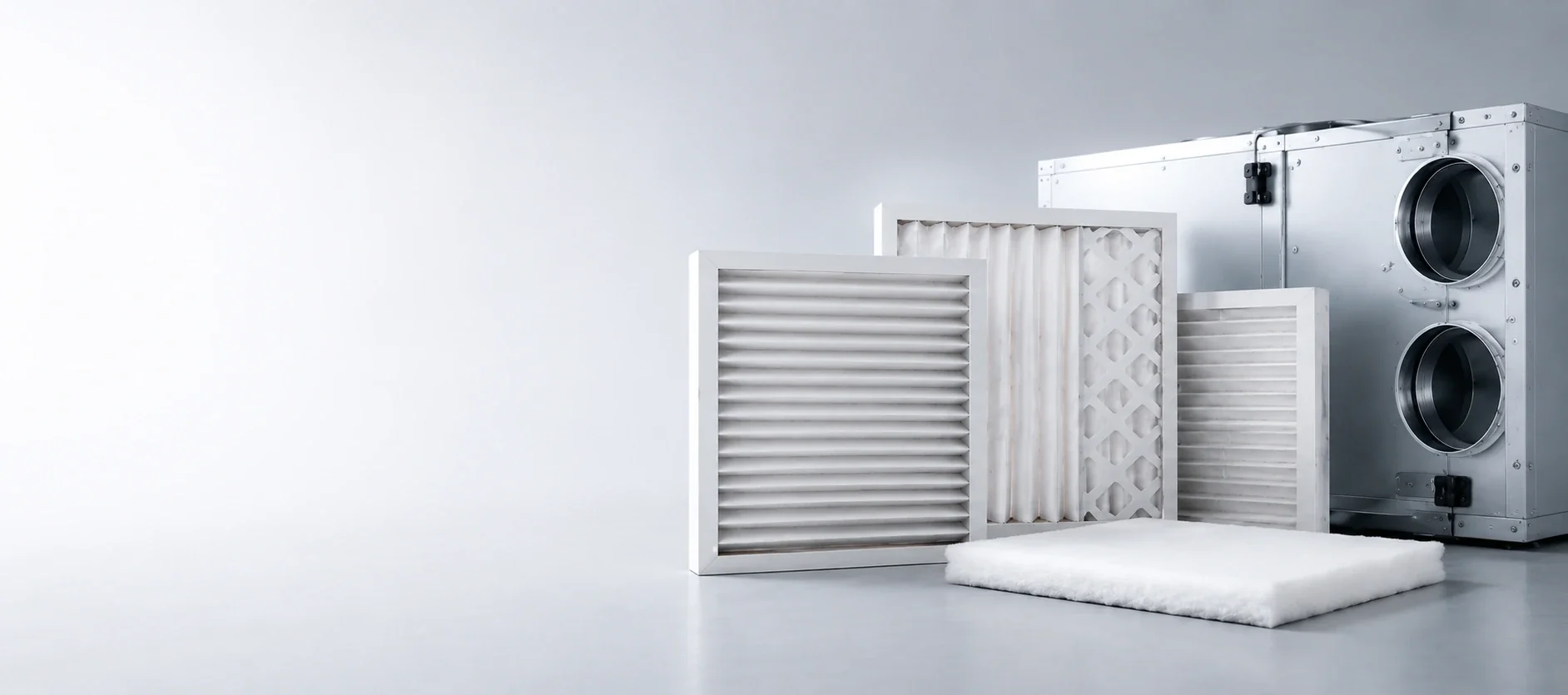
Choosing the right lüftungsfilter is essential for maintaining clean indoor air, protecting ventilation equipment, and ensuring efficient airflow. Whether a ventilation system is installed in a private home, office, commercial building, or industrial facility, the filter plays an important role in overall system performance. However, many people make common mistakes when selecting replacement filters. Choosing a filter based only on price, ignoring the correct dimensions, or selecting an unsuitable filtration class can lead to poor air quality, higher energy consumption, and unnecessary maintenance costs.
Understanding these common mistakes can help building owners, facility managers, and homeowners make better decisions. With the right approach, it becomes easier to select a suitable filter that offers reliable filtration, good airflow, and long-term value.
Choosing the Wrong Filter Size
One of the most frequent mistakes is purchasing a filter without checking its exact dimensions. Ventilation systems are designed to accommodate specific filter sizes, and even a small difference in width, height, or depth can cause installation problems.
A filter that is too small may leave gaps around the frame. Unfiltered air can then bypass the filtration material and enter the ventilation system. This reduces the effectiveness of the entire filtration process. A filter that is too large may not fit correctly, making installation difficult or preventing the ventilation unit from closing properly.
Before ordering a lüftungsfilter, always check the dimensions of the existing filter and compare them with the manufacturer’s specifications. It is also useful to verify whether the listed measurements are nominal or actual dimensions. Taking accurate measurements can prevent costly ordering mistakes.
Selecting the Wrong Filter Class
Another common mistake is choosing a filtration class without considering the requirements of the ventilation system. Different applications require different levels of filtration. A filter suitable for a basic residential system may not provide the level of protection required in an office, commercial facility, healthcare environment, or industrial setting.
For example, G4 filters are commonly used for basic coarse filtration, while higher filtration classes such as M5, F7, and F8 are designed to capture finer particles. The appropriate choice depends on the ventilation system, indoor air requirements, outdoor air conditions, and the intended application.
It is important not to assume that a higher filter class is automatically the best choice. A filter with greater filtration efficiency can also create higher resistance to airflow. The ventilation system must be capable of operating effectively with the selected filter. Always follow the equipment manufacturer’s recommendations and consider the balance between filtration performance and airflow resistance.
Focusing Only on the Cheapest Price
Price is an important consideration, but selecting a lüftungsfilter based solely on the lowest purchase cost can be a costly mistake. Cheap filters may have lower-quality materials, weaker frames, or inconsistent construction. These factors can affect filtration performance and service life.
A better approach is to consider the total cost of ownership. A high-quality filter may cost more initially but can provide consistent performance and reliable construction. It may also help protect fans, coils, and other ventilation components from dust accumulation.
When comparing prices, consider filter quality, expected service life, pressure drop, filtration efficiency, and replacement frequency. The cheapest option is not always the most economical option in the long term.
Ignoring Airflow Resistance
Every ventilation filter creates some resistance as air passes through it. This resistance can increase as the filter becomes loaded with dust and particles. Ignoring pressure drop is a common selection mistake that can affect the performance of the entire ventilation system.
A filter that is too restrictive may force the fan to work harder to maintain the required airflow. This can increase energy consumption and place additional stress on ventilation equipment. Reduced airflow may also affect indoor comfort and ventilation quality.
When selecting a lüftungsfilter, check the manufacturer’s technical information regarding pressure drop and airflow capacity. Choosing a filter that matches the ventilation system’s specifications can help maintain a good balance between filtration and energy efficiency.
Choosing a Filter Without Considering the Application
Not every building has the same air filtration requirements. A private residence, office, workshop, restaurant, and industrial facility may all have different needs. Selecting the same type of filter for every application can result in inadequate protection or unnecessary filtration costs.
Consider the environment in which the ventilation system operates. Buildings located in areas with high outdoor pollution or significant dust may require more effective filtration. Similarly, facilities with specific indoor air quality requirements may need specialized filtration solutions.
Before purchasing a lüftungsfilter, identify the purpose of the ventilation system and the type of particles that need to be controlled. This makes it easier to select a suitable filtration level.
Forgetting to Check Filter Quality and Certification
Another mistake is purchasing filters without checking their quality standards or technical documentation. Reliable manufacturers provide information about filter performance, dimensions, pressure drop, and applicable standards.
Certified and tested products can provide greater confidence in their filtration performance. When comparing products, look for clear technical specifications and information about the materials used in the filter. A reputable supplier should be able to explain the filter’s intended application and performance characteristics.
For customers in Germany, an online shop offering a wide selection of high-quality G4, M5, F7, and F8 filters for ventilation systems can make the selection process easier. Buying certified filters directly from a manufacturer can also provide access to product information and competitive prices. A specialized German online shop may offer a range of lüftungsfilter products designed for different ventilation applications.
Not Checking Compatibility With the Ventilation System
Even a high-quality filter may not be suitable if it is incompatible with the ventilation unit. Before ordering, check the manufacturer’s recommendations for the ventilation system. Some systems require specific filter types, frames, or configurations.
Compatibility also includes the filter’s physical design. Pocket filters, panel filters, cassette filters, and other configurations are not always interchangeable. Installing the wrong design can lead to poor sealing or inadequate airflow.
Checking the ventilation unit’s model number and existing filter specifications can help prevent compatibility problems. If there is any uncertainty, consult the equipment manufacturer or a qualified ventilation professional.
Replacing Filters Too Late
Selecting the right filter is only part of effective ventilation maintenance. Another common mistake is keeping the filter in service for too long. As dust and particles accumulate, airflow resistance can increase and filtration performance may decline.
The correct replacement interval depends on factors such as indoor air quality, outdoor pollution, building occupancy, operating hours, and filter type. Instead of relying only on a fixed calendar schedule, regular inspections can help determine when replacement is necessary.
A dirty lüftungsfilter can reduce ventilation efficiency and increase the workload on the fan. Replacing filters at the appropriate time helps maintain stable airflow and supports cleaner indoor air.
Buying Without Comparing Technical Specifications
Many buyers compare filters based only on dimensions and price. However, technical specifications provide important information about how a filter will perform in real-world conditions.
Before purchasing, compare filtration class, pressure drop, airflow capacity, filter media, frame construction, and expected service life. These details can help identify the most suitable option for a specific ventilation system.
A well-informed purchase decision is usually more valuable than simply choosing the most popular or cheapest product. Taking a few minutes to review specifications can prevent problems later.
How to Make a Better Filter Selection
Avoiding common lüftungsfilter selection mistakes begins with understanding the ventilation system and its requirements. Start by checking the exact dimensions and filter type. Next, identify the recommended filtration class and verify that the selected product is compatible with the ventilation unit.
Consider the balance between filtration efficiency and airflow resistance. Review technical specifications and choose a reliable supplier that provides clear product information. Quality should be evaluated alongside price, rather than treating the lowest purchase cost as the main priority.
For customers looking for lüftungsfilter products in Germany, specialized online shops can provide convenient access to different filter classes and sizes. A supplier offering high-quality, certified filters directly from the manufacturer may also make it easier to compare suitable options and find competitive prices.
Conclusion
Selecting the correct lüftungsfilter is an important part of maintaining an effective and efficient ventilation system. Common mistakes include choosing the wrong size, selecting an unsuitable filter class, focusing only on price, ignoring pressure drop, and failing to consider the specific application.
By checking dimensions, understanding filtration requirements, reviewing technical specifications, and choosing quality products from reliable suppliers, these mistakes can be avoided. Regular inspection and timely replacement are equally important for maintaining consistent airflow and effective filtration.
A careful approach to filter selection can help protect ventilation equipment, support better indoor air quality, and improve long-term system efficiency. Whether purchasing G4, M5, F7, or F8 filters, the best choice is one that matches the ventilation system’s requirements while providing the right balance of filtration performance, airflow, quality, and cost.