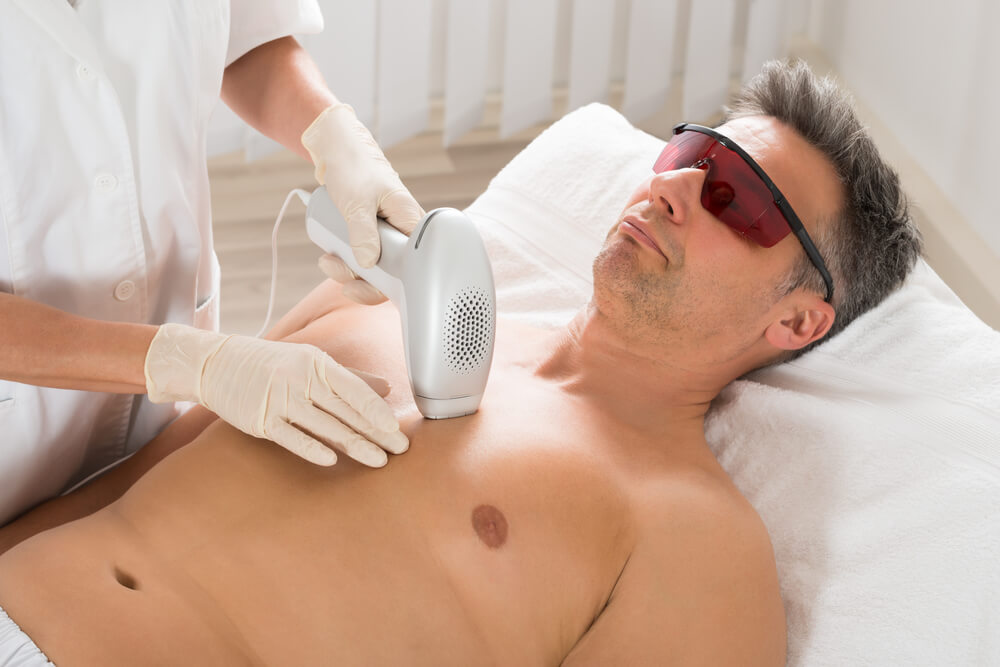
Laser skin resurfacing has become one of the most sought-after cosmetic treatments in modern dermatology. This procedure offers individuals an effective way to rejuvenate their skin, reduce visible signs of aging, and address various skin imperfections. By using targeted laser technology, this method promotes the growth of new, healthy skin cells Laser Skin Resurfacing, leading to a smoother and more youthful complexion.
Understanding Laser Skin Resurfacing
Laser skin resurfacing is a procedure that uses concentrated beams of light to remove damaged skin layers. The treatment can address a variety of skin concerns, including fine lines, wrinkles, acne scars, uneven pigmentation, and sun damage. There are two main types of lasers used in the process: ablative and non-ablative. Ablative lasers remove the outer layers of skin, stimulating collagen production and skin renewal. Non-ablative lasers, on the other hand, work beneath the skin’s surface without removing the top layer, promoting collagen growth while minimizing downtime.
The choice between ablative and non-ablative laser skin resurfacing depends on the patient’s skin condition, desired results, and recovery preferences. A professional dermatologist typically evaluates these factors before recommending a suitable treatment plan.
The Procedure and How It Works
Before the laser skin resurfacing procedure begins, the treatment area is cleaned, and a topical anesthetic may be applied to reduce discomfort. During the session, the laser is carefully directed over the skin, targeting damaged areas while preserving healthy tissue. The laser energy penetrates the skin, stimulating the natural healing process and encouraging the production of new collagen and elastin fibers. These structural proteins are essential for maintaining skin firmness and elasticity.
The duration of the procedure varies depending on the extent of the treatment area and the type of laser used. Generally, sessions can last anywhere from 30 minutes to two hours. Many patients notice immediate improvements in skin texture, though optimal results often appear gradually as the skin heals and regenerates over several weeks.
Benefits of Laser Skin Resurfacing
One of the primary advantages of laser skin resurfacing is its ability to improve overall skin tone and texture. The procedure can effectively reduce the appearance of fine lines, wrinkles, and acne scars, giving the skin a more youthful and radiant appearance. Additionally, it can address uneven pigmentation caused by sun exposure, age spots, or hyperpigmentation, resulting in a more uniform skin complexion.
Laser skin resurfacing also offers long-lasting results when compared to traditional treatments such as chemical peels or dermabrasion. With proper skincare and sun protection, the benefits of the procedure can persist for several years. Many patients report increased confidence and satisfaction with their appearance after undergoing laser treatments.
Recovery and Aftercare
Recovery after laser skin resurfacing varies based on the type of laser used and the intensity of the treatment. Ablative lasers typically require a longer healing period, during which patients may experience redness, swelling, and peeling. Non-ablative treatments usually involve minimal downtime, allowing individuals to resume their daily activities sooner.
Proper aftercare is crucial to achieving optimal results. Patients are advised to keep the treated area clean, moisturized, and protected from sun exposure. Dermatologists often recommend using gentle skincare products and avoiding harsh chemicals or exfoliants during the healing process. Following these guidelines can help minimize complications such as infection, scarring, or pigmentation changes.
Who Is a Candidate for Laser Skin Resurfacing
Laser skin resurfacing is suitable for a wide range of individuals seeking to improve their skin’s appearance. Ideal candidates are those with visible signs of aging, sun-damaged skin, or acne scars who wish to achieve smoother and more youthful skin. However, individuals with certain medical conditions, active skin infections, or a history of keloid scarring may need to consult with a dermatologist to determine if the procedure is safe for them.
Skin type also plays a role in the treatment plan. Patients with lighter skin tones generally respond well to ablative lasers, while those with darker skin may benefit more from non-ablative or fractional laser treatments to reduce the risk of hyperpigmentation.
Expected Results and Long-Term Effects
The results of laser skin resurfacing can be transformative. Patients typically notice improved skin texture, reduced wrinkles, and diminished scars within a few weeks of treatment. Over time, continued collagen production enhances skin firmness and elasticity, providing lasting improvements in appearance.
While laser skin resurfacing cannot stop the natural aging process, it can significantly slow down visible signs of aging and help maintain youthful-looking skin. Periodic touch-up sessions may be recommended to sustain results, especially for patients with ongoing sun exposure or lifestyle factors that accelerate skin aging.
Risks and Considerations
Like any cosmetic procedure, laser skin resurfacing carries potential risks. Common side effects include redness, swelling, and temporary discomfort in the treated area. In rare cases, patients may experience infection, scarring, or changes in skin pigmentation. These risks can be minimized by choosing a qualified and experienced dermatologist, following pre- and post-procedure instructions, and avoiding excessive sun exposure during recovery.
It is also important for patients to have realistic expectations regarding outcomes. While laser skin resurfacing can dramatically improve skin appearance, it may not completely eliminate deep wrinkles or severe scarring. A consultation with a professional dermatologist can help establish achievable goals and a personalized treatment plan.
Advances in Laser Skin Resurfacing Technology
Recent advancements in laser technology have made skin resurfacing safer, more precise, and more effective. Fractional laser systems, for example, target tiny areas of the skin while leaving surrounding tissue untouched, promoting faster healing and reducing downtime. Additionally, new laser devices offer adjustable settings that allow dermatologists to customize treatments based on the patient’s specific skin type and condition.
These innovations have broadened the range of skin concerns that can be addressed with laser skin resurfacing, making it a versatile solution for individuals seeking cosmetic improvement without invasive surgery.
Conclusion
Laser skin resurfacing has revolutionized the field of cosmetic dermatology, offering a highly effective method to rejuvenate and restore the skin’s natural beauty. By carefully removing damaged skin layers and stimulating collagen production, this procedure can reduce wrinkles, scars, and pigmentation issues, resulting in smoother, healthier, and more radiant skin. With proper evaluation, expert execution, and diligent aftercare, laser skin resurfacing provides lasting results that enhance confidence and overall appearance. Whether for anti-aging, scar reduction, or overall skin improvement, laser skin resurfacing remains a reliable and transformative treatment option for those seeking remarkable results.