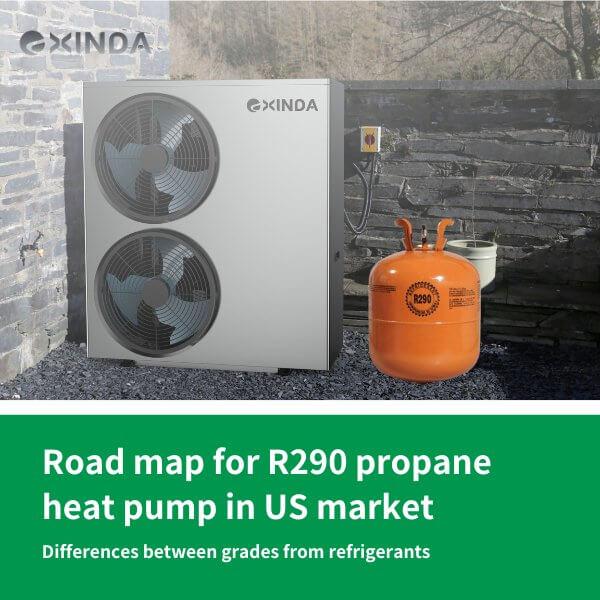
As homeowners and businesses look for efficient ways to heat and cool their spaces, propane heat pumps have emerged as a versatile and environmentally friendly option. Unlike traditional electric heat pumps, propane heat pumps use propane as a fuel source, offering higher efficiency in colder climates and reducing dependency on the electrical grid. Understanding the installation process, costs, benefits, and maintenance of propane heat pumps is crucial before making this investment.
What is a Propane Heat Pump?
A propane heat pump is a heating and cooling system that combines the technology of a traditional heat pump with the clean-burning energy of propane. During heating mode, the system extracts heat from the outside air, even in cold temperatures, and transfers it indoors. In cooling mode, it reverses the process, removing heat from inside the home and expelling it outside. Propane acts as a fuel source that powers the compressor, making it more efficient in extreme cold than many electric heat pumps.
Benefits of Using Propane Heat Pumps
One of the primary benefits of propane heat pumps is energy efficiency. They can deliver up to three times more heating energy than the energy consumed, especially in colder climates. This efficiency translates into lower heating bills and reduced carbon emissions compared to conventional heating systems.
Another advantage is reliability. Because propane is stored on-site in tanks, homeowners are not affected by power outages as severely as they would be with electric heat pumps. Additionally, propane heat pumps produce less greenhouse gas emissions than oil or coal-based heating systems, making them an environmentally responsible choice.
Propane heat pumps also offer versatility. They can integrate with existing heating and cooling systems, providing supplemental heating in areas where the main system may struggle. Furthermore, modern units are quieter and require less space, which makes them ideal for both residential and commercial installations.
Choosing the Right Propane Heat Pump
Selecting the right propane heat pump for your home requires careful consideration of several factors. First, evaluate the size of the space that needs heating and cooling. Units that are too small will struggle to maintain temperature, while oversized units can result in higher upfront costs and inefficient operation.
The efficiency rating of the unit is another key consideration. Look for a propane heat pump with a high Seasonal Energy Efficiency Ratio (SEER) and Heating Seasonal Performance Factor (HSPF). These ratings indicate how effectively the system converts fuel into usable heat or cooling throughout the year.
It is also important to assess your local climate. Propane heat pumps excel in colder regions where electric heat pumps may lose efficiency. For extremely cold areas, consider a unit with a backup propane furnace or an auxiliary heating system to ensure consistent indoor temperatures.
Preparing for Installation
Before installing a propane heat pump, homeowners must prepare their property to accommodate the system. This includes identifying a suitable location for the outdoor unit, ensuring proper ventilation, and confirming that there is access to propane supply lines or tanks.
Proper electrical connections must also be in place. While propane powers the heat pump, the system still requires electricity for the compressor, controls, and fan motors. A licensed electrician should verify that your home’s electrical system meets the requirements for the new unit.
Another critical step is obtaining any necessary permits. Local building codes often require inspections and permits for installing heating and cooling systems. Ensuring compliance before installation prevents costly delays and potential fines.
The Installation Process
Installing a propane heat pump typically involves several steps. First, the outdoor unit is positioned on a stable surface, ensuring it is level and has enough clearance for airflow and maintenance access.
Next, refrigerant lines, electrical wiring, and propane supply lines are connected between the indoor and outdoor components. These connections must be precise to ensure safe and efficient operation. Improper installation can lead to leaks, reduced efficiency, or even hazardous situations.
After the physical installation, the system is charged with refrigerant and tested for leaks and proper pressure. Technicians then program the heat pump controls and verify that heating and cooling modes operate correctly. Finally, a thorough inspection ensures that all connections, safety features, and operational settings meet manufacturer specifications and local regulations.
Costs and Considerations
The cost of installing a propane heat pump varies depending on unit size, brand, installation complexity, and location. On average, homeowners can expect to pay between $6,000 and $12,000 for a complete system, including labor and materials. While this upfront cost is higher than some conventional systems, the long-term savings in energy bills and maintenance can make the investment worthwhile.
It is also important to consider ongoing propane costs. Unlike electricity, propane prices fluctuate based on supply and demand. Homeowners should evaluate local propane prices and delivery options when calculating total operating expenses.
Maintenance costs are another factor. Propane heat pumps require periodic servicing, including cleaning filters, inspecting lines, and checking refrigerant levels. Regular maintenance ensures efficient operation and extends the lifespan of the system, which typically ranges from 15 to 20 years.
Common Challenges and Solutions
One challenge with propane heat pumps is ensuring consistent fuel supply. Running out of propane can interrupt heating, so it is crucial to monitor tank levels and schedule timely refills.
Cold weather performance can also be a concern. While propane heat pumps are efficient in cold climates, extremely low temperatures may reduce efficiency. Installing a backup propane furnace or supplemental electric heat can address this issue.
Finally, professional installation is essential. Unlike simple HVAC replacements, propane heat pumps require specialized knowledge to connect fuel lines, refrigerant, and electrical systems safely. Hiring a certified technician ensures the system operates safely and efficiently.
Maintaining Your Propane Heat Pump
Proper maintenance is key to maximizing the lifespan and efficiency of propane heat pumps. Homeowners should clean or replace filters regularly, typically every 1 to 3 months, depending on usage. Outdoor units should be kept free of debris, snow, and ice to maintain airflow.
Annual professional inspections are also recommended. A technician can check propane connections, refrigerant levels, and overall system performance. Regular maintenance helps prevent costly repairs and ensures the unit continues to operate at peak efficiency.
Environmental Impact
Propane heat pumps are an environmentally friendly alternative to traditional heating systems. Propane burns cleaner than oil or coal, producing lower levels of carbon dioxide and other harmful emissions. By using a heat pump system that efficiently transfers heat, homeowners reduce overall energy consumption and contribute to lower greenhouse gas emissions.
Furthermore, propane heat pumps can complement renewable energy solutions. For example, homes with solar panels can use solar electricity to power the heat pump’s controls and fans, while propane provides efficient heating during cold or cloudy days. This combination can further reduce reliance on fossil fuels.
Final Thoughts
Propane heat pumps offer a reliable, energy-efficient, and environmentally responsible way to heat and cool homes and businesses. From choosing the right unit to ensuring proper installation and ongoing maintenance, homeowners must consider several factors before investing in a system.
While the upfront costs may be higher than conventional systems, the long-term benefits, including energy savings, reduced emissions, and consistent performance in cold climates, make propane heat pumps a compelling choice. By understanding the installation process, costs, and maintenance requirements, homeowners can make informed decisions and enjoy comfortable indoor temperatures year-round.
For anyone looking to upgrade their heating and cooling system, propane heat pumps provide a modern, efficient solution that combines the best of propane fuel with advanced heat pump technology. Proper planning, professional installation, and regular maintenance ensure that these systems deliver lasting comfort and energy savings for years to come.
This comprehensive guide should equip homeowners with the knowledge they need to confidently consider propane heat pumps as a heating and cooling solution.