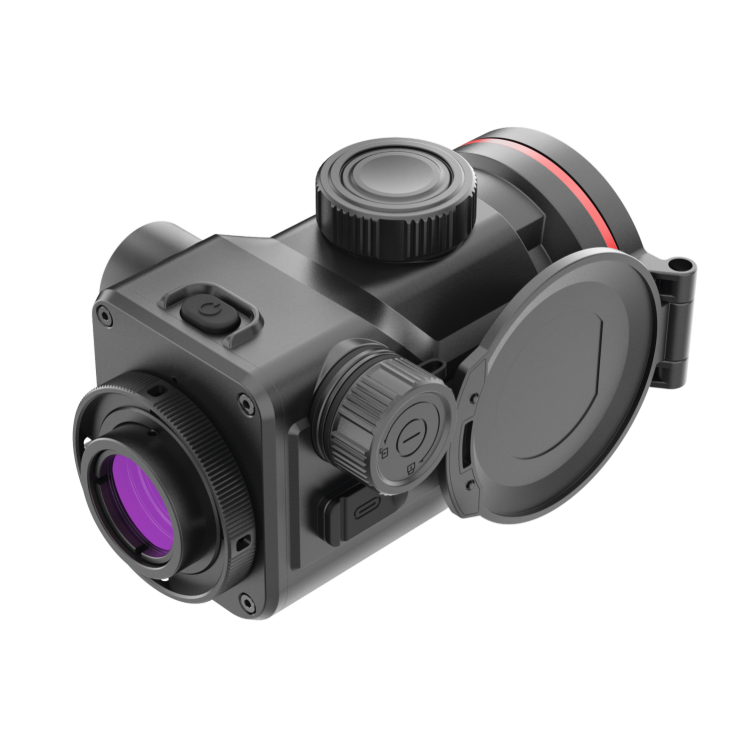
Hunting has always been a blend of skill, patience, and technology. In recent years, thermal imaging technology has revolutionized how hunters track and observe wildlife, offering capabilities far beyond the human eye. Among the most remarkable innovations in this field are thermal imaging binoculars for hunting, which allow hunters to detect animals in total darkness, through foliage, and in challenging weather conditions. These tools are transforming the hunting experience by improving efficiency, safety, and success rates.
Understanding Thermal Imaging Technology
At the heart of thermal imaging binoculars is infrared technology. Unlike traditional optics that rely on visible light, thermal devices detect heat emitted by living beings and objects. This heat is then translated into a visual display, often with a color gradient representing temperature differences. For hunters, this means that an animal’s body heat stands out against the cooler environment, making detection possible even in complete darkness.
Thermal imaging binoculars for hunting offer high-resolution sensors and sophisticated imaging software that provide clear, detailed visuals of wildlife. This allows hunters to identify species, track movements, and monitor behavior without alerting the animal. The ability to see heat signatures in dense forest or over long distances gives hunters a significant advantage, especially in early morning or late evening hours when visibility is low.
Advantages of Using Thermal Imaging Binoculars
One of the main benefits of thermal imaging binoculars for hunting is enhanced visibility. Traditional binoculars are limited by ambient light and line of sight. Thermal technology removes these limitations, making it possible to detect animals hidden by vegetation or in complete darkness. This is particularly useful for nocturnal species or in regions with dense tree cover.
Another key advantage is safety. Thermal imaging allows hunters to spot potential hazards, such as other humans, obstacles, or dangerous wildlife, before approaching. This reduces the risk of accidents and ensures a safer hunting experience. Additionally, it promotes ethical hunting practices by enabling precise targeting and minimizing unnecessary shots.
Durability and adaptability are also hallmarks of modern thermal binoculars. Many models are rugged, waterproof, and designed to withstand harsh outdoor conditions. Advanced features such as image stabilization, digital zoom, and video recording further enhance the functionality, making thermal imaging binoculars for hunting versatile tools for both professionals and enthusiasts.
Choosing the Right Thermal Imaging Binoculars
Selecting the appropriate thermal imaging binoculars requires consideration of several factors. Key aspects include detection range, resolution, refresh rate, and ergonomic design.
Detection range determines how far a hunter can spot animals. Models with longer ranges allow for early detection and strategic planning, which is essential in open landscapes or for scouting large areas. Resolution affects image clarity; higher-resolution sensors provide more detailed visuals, making it easier to identify species and observe behavior. The refresh rate, measured in hertz (Hz), impacts how smoothly moving animals are displayed, which is critical for tracking fast-moving targets.
Ergonomics and ease of use are equally important. Lightweight designs with comfortable grips reduce fatigue during extended hunts. Features like adjustable eyepieces, intuitive menus, and customizable color palettes enhance user experience. Many hunters also prioritize battery life, as prolonged usage in the field requires reliable power sources.
Integrating Thermal Binoculars into Hunting Strategy
To maximize the benefits of thermal imaging binoculars for hunting, integration into a broader hunting strategy is crucial. Scouting is one area where thermal binoculars excel. By observing animal movement patterns at night or in low-light conditions, hunters can identify feeding areas, trails, and resting spots without disturbing wildlife.
During the hunt, thermal binoculars provide a tactical advantage. They allow hunters to monitor game from a distance, plan approaches, and make informed decisions. For instance, spotting a herd of deer across a valley becomes easier when their heat signatures are visible, enabling the hunter to choose the optimal path for a safe and successful hunt.
Thermal binoculars are also valuable for post-hunt analysis. Recorded thermal footage can be reviewed to understand animal behavior, improve future strategies, and enhance overall hunting skills. This makes thermal imaging binoculars for hunting not only a tool for immediate success but also an investment in long-term hunting proficiency.
Ethical and Legal Considerations
While thermal imaging provides significant advantages, hunters must remain mindful of ethical and legal standards. Laws regarding the use of thermal optics vary by region and species, and it is essential to comply with local hunting regulations. Ethical hunting practices include respecting wildlife, avoiding unnecessary disturbance, and ensuring humane and responsible kills.
Using thermal imaging binoculars for hunting responsibly enhances conservation efforts. By allowing precise observation and targeting, hunters reduce waste and minimize impact on ecosystems. This technology supports sustainable hunting practices by promoting informed decisions that benefit both hunters and wildlife populations.
Future Developments in Thermal Hunting Optics
The field of thermal imaging is rapidly evolving. Future advancements in sensor technology, AI integration, and miniaturization promise even greater capabilities. Upcoming models may offer improved image resolution, longer detection ranges, and enhanced thermal sensitivity, making hunting more efficient and precise.
Additionally, integration with mobile devices, GPS, and augmented reality could transform thermal binoculars into multi-functional hunting tools. Real-time mapping, route planning, and collaborative observation may soon become standard features, further solidifying thermal imaging binoculars for hunting as indispensable equipment for modern hunters.
Conclusion
Thermal imaging binoculars for hunting have redefined how hunters interact with their environment. By providing unparalleled visibility, safety, and strategic insight, these devices elevate both the effectiveness and enjoyment of hunting. As technology continues to advance, thermal optics will become increasingly accessible, offering hunters the ability to observe wildlife responsibly, ethically, and successfully. For anyone serious about modern hunting, mastering the use of thermal binoculars is no longer a luxury—it is an essential skill that unlocks the full potential of the hunt.