A reliable HVAC system is essential for maintaining a comfortable home throughout the year. In Colorado, homeowners depend on their heating systems during cold weather and their air conditioners when temperatures rise. When an HVAC system begins showing unusual symptoms, addressing the issue early can help protect comfort and avoid unnecessary repairs.
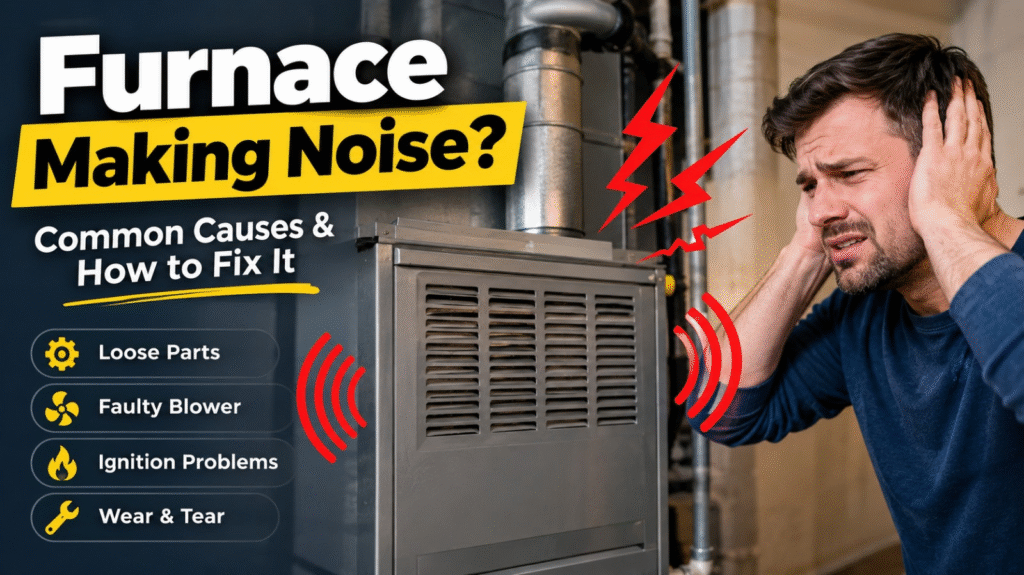
One of the most common concerns homeowners may encounter is a Furnace making noise. While some sounds are completely normal, unusual banging, rattling, squealing, grinding, or whistling can indicate that the furnace needs attention.
For homeowners searching for heating cooling services in Englewood Colorado, knowing the possible causes of furnace noise can make it easier to recognize when professional HVAC assistance is appropriate.
Is Furnace Noise Normal?
Every furnace produces some noise while operating. You may hear the thermostat signal the system to start, the burners ignite, the blower motor turn on, and warm air move through the ductwork.
These sounds are generally part of normal operation.
The concern arises when your furnace suddenly sounds different from usual. A new noise, an unusually loud sound, or a noise that continues throughout the heating cycle may indicate an issue.
If your Furnace making noise is becoming louder over time, it is better to investigate the cause instead of waiting for the system to stop working.
Common Reasons for a Furnace Making Noise
There are many possible reasons for unusual furnace sounds. The exact cause depends on the type of noise and the condition of the equipment.
1. Loose Furnace Components
A furnace contains panels, screws, brackets, and other components that can become loose over time.
When the blower operates, vibration can cause a loose part to rattle or vibrate. A simple loose panel may be responsible for the sound, but homeowners should avoid opening the furnace to investigate internal components.
If you hear persistent rattling, a professional technician can inspect the unit safely.
2. Dirty or Restricted Air Filter
Air filters are designed to capture dust and airborne particles before they enter the HVAC system. Over time, filters become dirty.
A heavily clogged filter can restrict airflow and force the system to work harder. Restricted airflow can contribute to unusual sounds and reduced heating performance.
Checking the filter is one of the easiest maintenance steps homeowners can take.
If it is dirty, replace it with the correct filter recommended for your furnace.
3. Blower Motor Problems
The blower motor is responsible for moving heated air through the ductwork. Because it operates whenever the furnace distributes air, problems with the blower can create noticeable sounds.
A worn motor, damaged bearing, or another mechanical issue can produce squealing, grinding, or rattling.
If your Furnace making noise seems to come from the blower area, professional inspection may be necessary.
4. Problems With the Ignition System
A furnace may produce a popping or banging sound if ignition is not occurring normally.
This can have several possible causes and should not be diagnosed by homeowners through trial and error. Gas-fired furnaces involve combustion, so ignition-related problems should be evaluated by a qualified professional.
5. Ductwork Noise
Not every furnace noise actually originates inside the furnace.
Ductwork can expand, contract, vibrate, or produce airflow sounds. Loose duct connections can sometimes cause rattling or popping.
A professional HVAC inspection can help determine whether the sound is coming from the furnace itself or from the connected duct system.
Why Professional HVAC Service Matters
When an HVAC system develops a strange sound, replacing random parts is rarely the best approach. The underlying cause should be identified first.
Professional heating cooling services in Englewood Colorado can help homeowners diagnose heating and cooling problems accurately.
Depending on the company, HVAC services may include:
- Furnace repair
- Furnace maintenance
- Air conditioner repair
- AC maintenance
- HVAC inspections
- Thermostat troubleshooting
- Airflow testing
- Heating system replacement
- Cooling system replacement
- Seasonal HVAC tune-ups
A professional evaluation can help determine whether a repair, maintenance visit, or replacement is appropriate.
Furnace Making Noise During Startup
The timing of a furnace noise can provide useful information.
If the sound occurs immediately when the furnace starts, the cause could involve ignition, burners, ductwork, or components that move during startup.
A brief expansion sound may occur as metal components heat up. However, a loud bang or repeated boom should not be treated as normal without professional evaluation.
If you notice your Furnace making noise every time it starts, consider scheduling an inspection rather than waiting for a complete breakdown.
Furnace Making Noise While Running
A noise that continues throughout the heating cycle may have a different cause.
For example, a squealing or grinding sound may be related to a moving component, while a whistling sound could be connected to airflow.
The blower motor, filter, ductwork, and other components may all play a role.
Writing down when the noise happens can help an HVAC technician diagnose the problem more efficiently.
Furnace Making Noise When Shutting Down
Some furnaces produce minor sounds when shutting down because components cool and contract. However, repeated loud noises during shutdown may require investigation.
Pay attention to whether the sound happens every time the furnace turns off or only occasionally.
Providing this information to your HVAC technician can make troubleshooting easier.
How Regular Maintenance Helps
Preventive furnace maintenance can help identify problems before they become major failures.
During a professional HVAC maintenance appointment, a technician can inspect important components and evaluate the system’s overall operation.
Maintenance may help identify:
- Worn mechanical parts
- Airflow restrictions
- Dirty components
- Electrical concerns
- Ignition problems
- Loose connections
- Thermostat issues
Regular maintenance is especially useful before the heating season begins.
For homeowners looking for heating cooling services in Englewood Colorado, adding seasonal HVAC maintenance to a home maintenance routine can help keep heating and cooling equipment in better operating condition.
Don’t Ignore Other Furnace Warning Signs
Noise is only one potential warning sign.
Homeowners should also pay attention to changes in:
- Heating performance
- Airflow
- Energy usage
- Cycling frequency
- Thermostat operation
- Indoor temperature consistency
- Furnace startup behavior
If several problems appear at the same time, professional service becomes even more important.
For example, a furnace that is noisy, cycling frequently, and struggling to heat the home may require more than a simple filter replacement.
What Can Homeowners Check?
There are a few basic things you can safely inspect without attempting a furnace repair.
Check the Thermostat
Make sure the thermostat is set to the desired heating temperature and is operating correctly.
Check the Air Filter
Look at the filter and replace it if it is dirty or clogged, using the correct replacement recommended for your system.
Check Vents
Make sure supply vents and return-air openings are not blocked by furniture or other objects.
Listen to the Sound
Try to identify whether the sound occurs during startup, operation, or shutdown.
These simple observations can provide useful information.
However, avoid removing furnace covers or working on gas, electrical, ignition, or internal mechanical components unless you are qualified to do so.
When Should You Call a Professional?
A professional HVAC inspection is a good idea when a furnace develops persistent or unusual noises.
You should consider contacting an HVAC technician if:
- The furnace suddenly becomes much louder.
- You hear repeated banging.
- There is a persistent grinding sound.
- The blower squeals or rattles.
- The system does not heat properly.
- The furnace frequently cycles on and off.
- Airflow is weaker than usual.
- An unusual odor accompanies the noise.
- The furnace repeatedly fails to start.
A technician can determine whether the problem is minor or requires more immediate attention.
Heating Cooling Services in Englewood Colorado for Year-Round Comfort
HVAC needs do not end when winter is over. Once warmer weather arrives, homeowners rely on their air conditioning systems to maintain comfortable indoor temperatures.
A company offering comprehensive heating cooling services in Englewood Colorado can assist with both sides of your HVAC system.
Heating services may include furnace inspections, maintenance, repairs, and replacement.
Cooling services may include air conditioner maintenance, troubleshooting, repairs, and replacement.
Maintaining both systems throughout the year can help homeowners prepare for seasonal temperature changes.
Should You Repair or Replace a Noisy Furnace?
A noisy furnace does not automatically need to be replaced.
The best decision depends on several factors, including the system’s age, overall condition, efficiency, repair history, and the cost of the required repair.
A newer furnace with one worn component may be a good candidate for repair. An older furnace with repeated breakdowns may make replacement worth considering.
A qualified HVAC professional can inspect the equipment and explain the available options.
Choosing the Right HVAC Company
When searching for heating cooling services in Englewood Colorado, homeowners should look beyond price alone.
Consider choosing a provider that offers:
- Experienced HVAC technicians
- Clear communication
- Detailed system inspections
- Transparent repair recommendations
- Heating and cooling services
- Preventive maintenance options
- Appropriate warranties or guarantees
Reading customer reviews and asking questions about the recommended repair can also help you make a more informed decision.
Frequently Asked Questions
Why is my furnace suddenly making noise?
A sudden noise can have many possible causes, including loose components, restricted airflow, blower problems, ductwork issues, or ignition-related problems. A professional inspection can identify the specific cause.
Is a rattling furnace always serious?
Not necessarily. A loose exterior panel can sometimes create a rattling sound. However, persistent rattling should be investigated because it may also indicate a component problem.
Can changing the air filter stop furnace noise?
If restricted airflow is contributing to the noise, replacing a clogged filter may help. If the sound continues, there may be another underlying issue.
How often should HVAC equipment receive maintenance?
Many homeowners schedule heating maintenance before the colder season and cooling maintenance before the warmer season. Manufacturer recommendations and system condition should also be considered.
Can I repair my furnace myself?
Basic maintenance such as replacing an air filter is generally suitable for homeowners. Internal furnace repairs involving gas, electricity, ignition, or mechanical components should be handled by qualified professionals.
Should I turn off a noisy furnace?
If the furnace is producing a severe or unfamiliar mechanical noise, shutting it down and contacting an HVAC professional can help prevent possible additional damage. If you notice gas, smoke, or another immediate safety concern, leave the area and follow appropriate emergency procedures.
Final Thoughts
A furnace is an important part of your home’s comfort system, especially during cold Colorado weather. Although some operating sounds are normal, a sudden or unusually loud Furnace making noise should not be ignored.
Simple checks such as inspecting the air filter and ensuring vents are unobstructed can help rule out basic airflow issues. For persistent noises, mechanical sounds, ignition concerns, or other unusual symptoms, professional evaluation is the safest approach.
Homeowners searching for heating cooling services in Englewood Colorado can benefit from choosing experienced HVAC professionals who can service both heating and cooling equipment.
With regular maintenance, timely repairs, and proper professional care, your HVAC system can remain better prepared for changing seasons and help keep your home comfortable throughout the year.