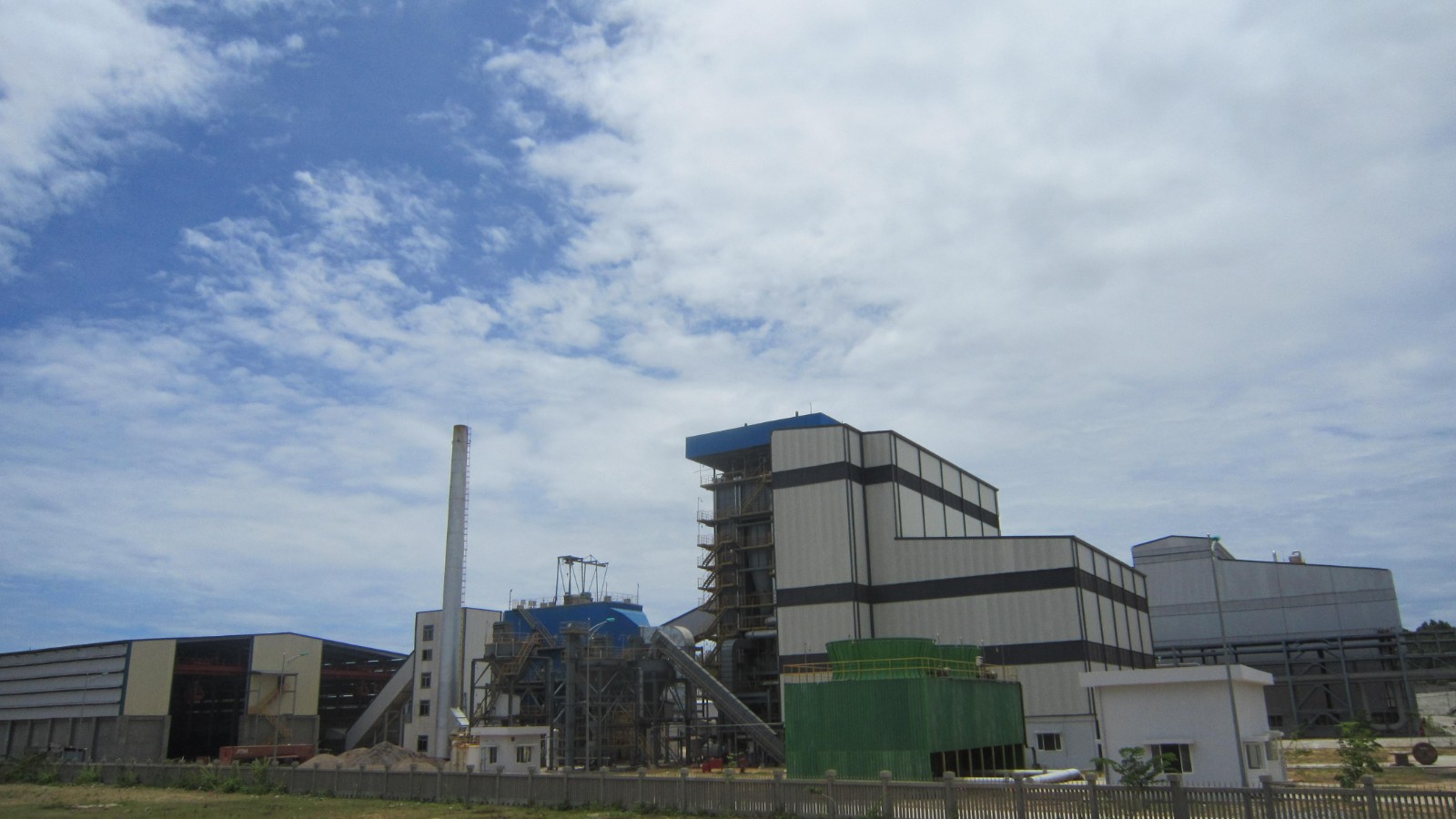
Selecting the right power station EPC contractors is a critical decision for any energy project. Engineering, Procurement, and Construction (EPC) contractors play a pivotal role in delivering power plants that are safe, efficient, and economically viable. Choosing an EPC partner is not just about hiring a contractor; it is about forming a strategic alliance that ensures the project’s success from concept to commissioning. Companies like RUNH POWER emphasize the importance of rigorous evaluation criteria to secure reliable and competent EPC contractors.
Understanding the Role of Power Station EPC Contractors
Power station EPC contractors are responsible for designing, procuring equipment, constructing, and commissioning power plants. Their role encompasses the complete lifecycle of the project, ensuring that every aspect, from engineering to construction, meets strict standards of quality and safety. An effective EPC contractor integrates project management, technical expertise, and risk management to deliver projects on time and within budget. For energy companies, partnering with capable EPC contractors like RUNH POWER ensures operational efficiency, regulatory compliance, and long-term sustainability.
Experience and Track Record
One of the foremost criteria for evaluating EPC contractors is their experience and track record. A proven history of successfully completed projects demonstrates technical proficiency, problem-solving abilities, and the capacity to manage large-scale power station developments. Companies should review the contractor’s portfolio, focusing on projects similar in scale and technology to their own. RUNH POWER, for instance, highlights extensive experience in executing both conventional and renewable energy projects, emphasizing their ability to adapt to complex engineering challenges.
Additionally, checking references from previous clients provides insight into the contractor’s reliability, adherence to timelines, and quality standards. An EPC contractor with a solid track record is more likely to anticipate project risks and implement effective mitigation strategies, ensuring smoother project execution.
Technical Expertise and Engineering Capabilities
Technical expertise is another crucial factor when selecting power station EPC contractors. The contractor should possess in-depth knowledge of power generation technologies, including thermal, gas, solar, and wind energy systems. Strong engineering capabilities ensure accurate project design, efficient procurement of high-quality materials, and effective integration of components.
RUNH POWER places particular emphasis on selecting EPC contractors with a strong engineering team capable of delivering innovative and cost-effective solutions. This includes expertise in areas such as turbine and generator design, boiler systems, grid integration, and advanced control systems. A contractor with robust engineering capabilities can reduce operational costs, optimize performance, and enhance the plant’s lifecycle efficiency.
Financial Stability and Risk Management
Financial stability is a critical consideration when evaluating EPC contractors. Large-scale power projects require significant capital investment, and a financially unstable contractor can pose risks to project completion. Assessing a contractor’s financial health, including credit ratings, balance sheets, and funding capabilities, helps ensure that they can sustain operations throughout the project lifecycle.
Equally important is the contractor’s approach to risk management. EPC contractors must identify potential technical, financial, and regulatory risks and implement strategies to mitigate them. RUNH POWER prioritizes partnerships with contractors who demonstrate strong risk assessment frameworks and insurance coverage, providing confidence that the project can withstand unexpected challenges without compromising quality or schedule.
Project Management and Communication
Effective project management is essential for timely and successful project delivery. EPC contractors should employ structured project management methodologies, including detailed scheduling, resource allocation, and progress monitoring. Strong communication channels between the contractor, client, and subcontractors ensure that issues are addressed promptly, preventing delays or cost overruns.
RUNH POWER emphasizes the importance of transparency and collaboration in project management. Contractors with clear reporting mechanisms, real-time progress tracking, and proactive problem-solving capabilities contribute significantly to project success. Evaluating a contractor’s project management practices is crucial to ensure alignment with your organizational standards and expectations.
Commitment to Safety and Environmental Standards
Safety and environmental responsibility are non-negotiable for modern power projects. EPC contractors must adhere to strict safety protocols to protect workers, communities, and the environment. Compliance with local and international safety standards, such as ISO certifications and occupational health regulations, is essential.
Additionally, environmental considerations, including emissions control, waste management, and sustainable resource utilization, are critical in today’s energy sector. RUNH POWER collaborates with contractors who prioritize eco-friendly practices and sustainability initiatives, ensuring that power plants operate with minimal environmental impact. A contractor’s commitment to safety and environmental responsibility reflects their professionalism and long-term vision for sustainable energy development.
Quality Assurance and Procurement Practices
Quality assurance is a cornerstone of successful power projects. EPC contractors must implement rigorous quality control procedures at every stage, from design and procurement to construction and commissioning. This includes sourcing materials from reputable suppliers, conducting inspections, and ensuring adherence to industry standards.
RUNH POWER values EPC contractors who maintain stringent quality assurance protocols and adopt best practices in procurement. Reliable procurement ensures timely delivery of high-quality components, reducing the risk of equipment failures or maintenance issues in the future. A contractor’s dedication to quality not only enhances operational efficiency but also strengthens the overall credibility of the project.
Technological Innovation and Adaptability
The energy sector is rapidly evolving, with emerging technologies shaping the future of power generation. EPC contractors who embrace innovation can provide solutions that improve efficiency, reduce costs, and enhance sustainability. From smart grid integration to advanced automation systems, technologically adept contractors offer a competitive advantage.
RUNH POWER seeks partners who demonstrate adaptability and openness to adopting new technologies. Contractors who invest in research and development, implement innovative design solutions, and leverage digital tools can optimize plant performance and future-proof energy projects. Evaluating a contractor’s capacity for innovation ensures alignment with modern energy demands and regulatory expectations.
Reputation and Client Relationships
Finally, the reputation of an EPC contractor and their approach to client relationships are critical factors in the selection process. Contractors known for professionalism, integrity, and collaborative engagement foster trust and long-term partnerships. Positive feedback from previous clients indicates a contractor’s reliability, commitment to excellence, and responsiveness to client needs.
RUNH POWER emphasizes establishing partnerships based on mutual respect, transparency, and shared goals. Evaluating reputation and client relationships helps energy companies identify contractors who are not only technically capable but also aligned with organizational values and project objectives.
Conclusion
Selecting the right power station EPC contractors is a complex and strategic decision that influences the success of energy projects. By evaluating factors such as experience, technical expertise, financial stability, project management, safety, environmental responsibility, quality assurance, technological innovation, and reputation, companies can make informed decisions and secure a reliable partner.
RUNH POWER exemplifies the importance of partnering with skilled and trustworthy EPC contractors who deliver high-quality, sustainable, and efficient power solutions. Careful evaluation and selection of the right EPC partner not only ensures timely project completion but also enhances operational performance, regulatory compliance, and long-term energy sustainability. Choosing the right EPC contractor is an investment in the future of the energy sector, laying the foundation for successful and innovative power projects.