An hour and a half on a hard court in summer heat is a specific physiological event. You’re explosive in short bursts, standing in full sun between points, moving laterally through a full range of hip rotation, and sweating steadily throughout. Your opponent isn’t experiencing this. Your underwear either manages all of it or becomes the thing you’re aware of by the second set.
What Tennis Specifically Demands From Underwear
Tennis is stop-start aerobic activity with a high lateral movement component. The footwork demands of tennis — split step, lateral slide, explosive crossover — require the underwear to follow multi-plane movement without restriction or migration.
The heat problem is stop-start-specific. Unlike running, where continuous movement provides some cooling through airflow, tennis involves standing recovery points between explosive bursts. During points, your body temperature spikes. Between points, the synthetic underwear that was managing peak-output sweat is now a warm, damp environment with no cooling mechanism. This cycle repeats through every game of a set.
The court surface matters too. Clay, hard, and grass courts reflect different amounts of heat and create different friction conditions. Hard court summer play in full sun creates ambient temperatures that make the thermal management properties of your fabric significantly more relevant than they are in a shaded indoor facility.
Tennis gives you 20 seconds between points to notice how uncomfortable your underwear is. After 30 games, you’ve had 600 opportunities to be reminded.
What to Look For in Performance Underwear for Tennis
Breathability for Stop-Start Aerobic Recovery
The between-point recovery interval is where organic cotton outperforms synthetic alternatives on the court. During the point, both fabric types manage sweat. During the 20-second recovery, organic cotton’s passive breathability dissipates heat more effectively than synthetic fabric’s occluding polymer structure. Over a two-hour match with hundreds of recovery intervals, this difference accumulates into a meaningful comfort outcome.
Natural Fiber Lateral Movement Compliance
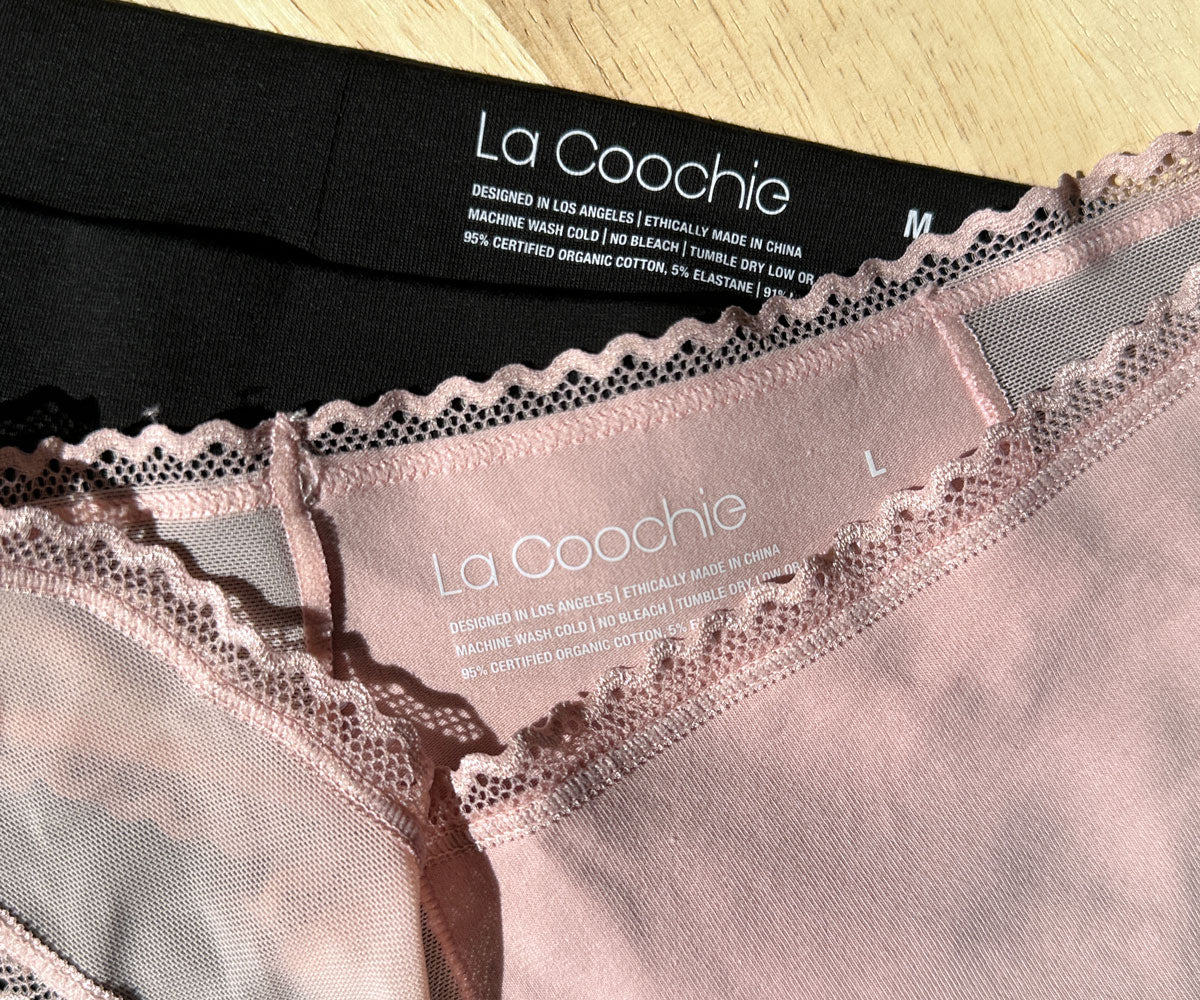
The explosive lateral movements tennis requires — slide, split step, recovery sprint — test the fabric’s compliance with full hip flexion and abduction simultaneously. The 95/5 organic cotton-elastane blend provides sufficient stretch for these movements without the compression profile that restricts hip range at full lateral extension. Organic cotton boxers mens with athletic construction handle the full tennis movement vocabulary without binding.
Waistband Stability Under Kit
Tennis kit — particularly shorts with internal liner or compression shorts — can create competing waistband dynamics. A rolled or migrated underwear waistband under tennis shorts becomes a court awareness problem. Wide, soft waistbands with stay-put construction integrate under tennis kit without interference.
Odor Performance Through a Full Match
A 90-minute match at summer outdoor temperatures produces significant sweat volume. Organic cotton’s natural fiber surface chemistry produces better post-match and between-set odor performance than synthetic alternatives without requiring antimicrobial treatment. For club play where you’re interacting with opponents, partners, and spectators immediately post-match, natural odor management matters socially.
Chafe Prevention at High-Rep Stride Counts
Running volume across a 90-minute match can reach 8-10 km over hard court surfaces. Inner thigh chafing that begins as a minor irritation by set two is a real distraction by the tiebreak. Organic cotton’s fiber surface creates lower friction at the inner thigh contact zone than synthetic alternatives, addressing the chafe problem at the source.
Practical Guidance for Tennis Players
Test new underwear during practice sets, not match play. A practice set that runs to games and involves the same movement patterns as match play is the right test environment. You’ll know within 45 minutes whether the fabric creates any issues.
Consider the match duration when choosing fabric weight. A one-hour club match versus a three-set competitive match puts different demands on the fabric. The longer the match, the more thermal accumulation and odor management matter relative to pure moisture management.
Account for court and climate conditions. Hard court summer play has different thermal demands than clay court autumn play. Lighter fabric weight for summer hard court; slightly heavier for cool autumn conditions. Organic cotton’s natural temperature regulation adapts; the weight choice is still relevant.
Maintain enough rotation for match day freshness. Never play a match in underwear that wasn’t freshly laundered. The odor and bacterial load from a previous training session affects both comfort and performance in a subsequent match.
Why the 90-Minute Standard Applies Here
Every racket sport that runs to 90+ minutes creates the same feedback loop: the underwear that was fine in the first set becomes a factor by the third. This isn’t unique to tennis — it’s the time-on-body problem that multi-set match formats expose in a way that 30-minute training sessions don’t.
Club players who switch to organic cotton underwear typically report the change as most noticeable in the second half of long matches. The thermal accumulation that creates the late-match synthetic underwear discomfort doesn’t develop with natural fiber breathability. The result: you’re playing tennis in the third set, not managing underwear while playing tennis.
That’s the performance case in practice.