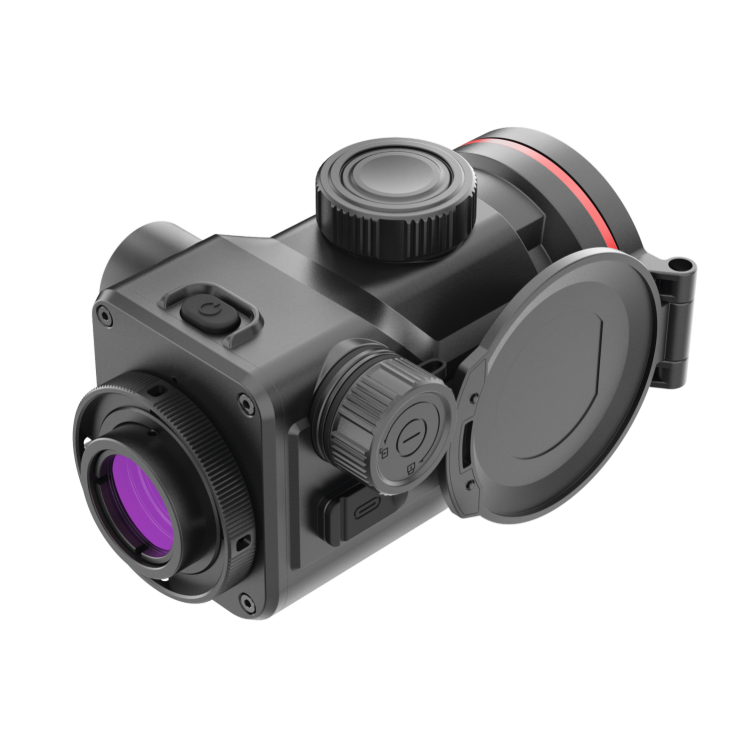
In today’s fast-paced automotive industry, efficiency and precision are more important than ever. Modern vehicles are increasingly complex, integrating advanced electronics, hybrid systems, and intricate mechanical components. This complexity requires technicians to adopt cutting-edge tools that enable faster diagnostics and accurate troubleshooting. One such tool that has revolutionized the way automotive professionals work is the mobile phone IR camera for automotive applications.
Infrared (IR) cameras capture thermal images that reveal heat patterns invisible to the naked eye. For automotive technicians, this capability is invaluable. From detecting engine overheating and electrical faults to assessing brake performance and HVAC efficiency, IR cameras provide real-time insights that streamline maintenance and repair tasks. The compactness and accessibility of mobile phone IR cameras make them particularly useful for both professional workshops and on-site diagnostics.
Understanding Mobile Phone IR Cameras
Mobile phone IR cameras function by detecting infrared radiation emitted by objects and translating it into visible thermal images. Unlike traditional cameras, which capture only the visible spectrum, IR cameras can reveal subtle temperature variations. This feature is crucial in automotive diagnostics, where a small temperature difference can indicate a potential problem.
One of the most significant advantages of a mobile phone IR camera for automotive use is portability. Technicians no longer need to rely solely on bulky thermal imaging devices. These compact cameras attach directly to smartphones, transforming a familiar device into a powerful diagnostic tool. Technicians can carry the camera in a pocket or tool kit, ensuring immediate access whenever needed.
Applications in Engine Diagnostics
Engines are among the most critical components of any vehicle, and detecting issues early can prevent costly repairs. Mobile phone IR cameras allow technicians to quickly identify hotspots in engines, which often indicate friction, misalignment, or cooling system failures. For example, an uneven heat pattern on a cylinder head can suggest problems with combustion efficiency or a malfunctioning cooling system.
Moreover, IR cameras are ideal for detecting leaks in radiator systems. By scanning the engine bay with a mobile phone IR camera, technicians can identify areas of excessive heat or cold, pinpointing fluid leaks or blockages. This non-invasive diagnostic method saves time and reduces the risk of causing additional damage during inspection.
Electrical System Troubleshooting
Modern vehicles rely heavily on electronic systems, including sensors, wiring harnesses, and battery packs. Electrical faults can be challenging to locate because issues like short circuits or poor connections may not produce visible signs. A mobile phone IR camera for automotive use allows technicians to detect overheating wires, failing connectors, and uneven current distribution.
For instance, a high-resistance connection in a fuse box may generate heat detectable only through infrared imaging. By capturing thermal images with a mobile phone IR camera, technicians can quickly isolate the problem without dismantling the entire electrical system. This approach reduces labor time, minimizes vehicle downtime, and improves overall diagnostic accuracy.
Brake and Tire Inspection
Brake systems and tires generate heat during normal operation, and excessive heat can indicate potential issues. Mobile phone IR cameras help automotive technicians assess brake performance by detecting hotspots on discs, drums, or calipers. Overheating components may signify stuck calipers, worn brake pads, or uneven rotor surfaces.
Similarly, tire inspections benefit from thermal imaging. Uneven tire temperatures can reveal misalignment, underinflation, or suspension issues. Using a mobile phone IR camera for automotive diagnostics, technicians can identify problems early, ensuring vehicle safety and optimal performance.
HVAC System Assessment
The heating, ventilation, and air conditioning (HVAC) system is critical for passenger comfort and safety. Mobile phone IR cameras provide an effective way to evaluate HVAC efficiency. By scanning vents, ductwork, and compressors, technicians can detect blockages, leaks, or uneven airflow.
For hybrid and electric vehicles, HVAC systems are even more complex, often integrating battery cooling mechanisms. IR cameras enable technicians to ensure these systems operate correctly, maintaining vehicle safety and preventing overheating issues.
Benefits for Mobile Technicians
Mobile automotive technicians, who perform on-site repairs, particularly benefit from the portability of mobile phone IR cameras. These cameras eliminate the need to carry multiple specialized diagnostic tools, consolidating functionality into a single device. Technicians can quickly assess engine temperatures, electrical components, brakes, tires, and HVAC systems without setting up extensive equipment.
The real-time thermal imaging provided by mobile phone IR cameras also allows for immediate decision-making. By analyzing temperature patterns on the spot, technicians can determine whether repairs are urgent or if a scheduled maintenance approach is suitable. This capability improves service efficiency and enhances customer trust, as clients can see clear visual evidence of the problem.
Choosing the Right Mobile Phone IR Camera
Selecting the right mobile phone IR camera for automotive purposes requires careful consideration. Key factors include resolution, sensitivity, and compatibility with the technician’s smartphone. Higher resolution cameras produce more detailed thermal images, allowing for precise identification of issues. Sensitivity ensures that even subtle temperature differences are captured, which is critical for detecting early-stage faults.
Compatibility is equally important. Technicians should ensure that the IR camera integrates seamlessly with their mobile devices and diagnostic software. Many cameras offer additional features such as image storage, video recording, and thermal analysis tools, further enhancing their utility in automotive diagnostics.
Future of Automotive Diagnostics
The adoption of mobile phone IR cameras for automotive use is part of a broader trend toward digital and connected vehicle diagnostics. As vehicles continue to incorporate advanced electronics, sensors, and hybrid systems, traditional diagnostic methods may become insufficient. Mobile IR cameras provide a versatile, cost-effective solution that keeps pace with technological advancements.
Furthermore, the integration of AI and machine learning with thermal imaging may soon enable predictive maintenance. Future mobile phone IR cameras could analyze patterns over time, anticipating component failures before they occur. This proactive approach will reduce repair costs, improve safety, and increase overall vehicle reliability.
Conclusion
Mobile phone IR cameras are transforming the automotive industry by providing technicians with an accessible, portable, and precise diagnostic tool. From engine analysis and electrical troubleshooting to brake inspection and HVAC evaluation, these cameras offer invaluable insights that improve efficiency and accuracy.
The rise of complex vehicles, including electric and hybrid models, underscores the importance of adopting innovative tools like mobile phone IR cameras for automotive applications. For modern automotive technicians, this technology is no longer a luxury—it is an essential component of their toolkit, enabling them to deliver faster, safer, and more reliable service.
By embracing mobile IR technology, automotive professionals are not only enhancing their diagnostic capabilities but also setting new standards for vehicle maintenance and repair. The future of automotive diagnostics is thermal, and mobile phone IR cameras are at the forefront of this revolution.