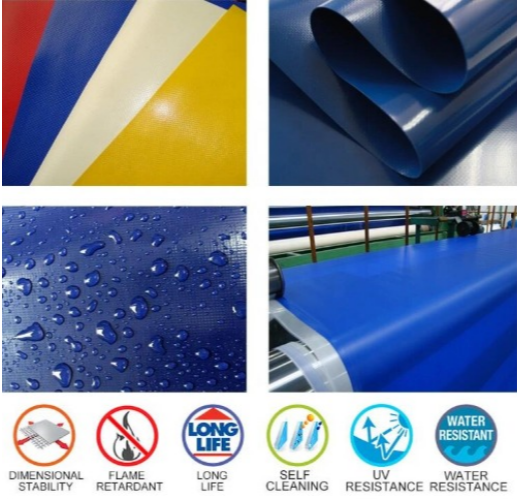
Zip screen fabric has become increasingly popular in modern architecture and interior design, offering a perfect combination of functionality, aesthetics, and convenience. This innovative material is designed to enhance living and commercial spaces by providing protection, privacy, and style all in one. Understanding what zip screen fabric is and how it works can help homeowners, builders, and designers make informed decisions when incorporating it into their projects.
Understanding Zip Screen Fabric
At its core, zip screen fabric is a type of outdoor or indoor screen material that is used in retractable systems. It is often made from durable, high-quality synthetic fibers such as PVC-coated polyester, which ensures longevity and resistance to environmental factors. The fabric is designed to roll up or slide seamlessly into a cassette or frame, providing an unobtrusive solution for shading, insect protection, and privacy.
Unlike traditional screens or blinds, zip screen fabric is engineered to fit tightly within its track system. This feature prevents gaps around the edges, effectively blocking wind, dust, insects, and even harmful UV rays. Its smooth operation and tailored fit make it a popular choice for patios, balconies, verandas, pergolas, and large windows.
Features of Zip Screen Fabric
One of the key aspects of zip screen fabric is its versatility. It is available in various colors, textures, and levels of transparency, allowing property owners to customize their screens according to their needs. Some fabrics offer near-complete opacity for maximum privacy, while others are semi-transparent, enabling natural light to filter through while reducing glare.
Durability is another standout feature. Zip screen fabric is often resistant to fading, tearing, and mildew, making it suitable for outdoor conditions. It is designed to withstand wind pressure, meaning the fabric will not flap or detach easily, even during strong gusts. This makes it an ideal solution for homes in windy regions.
Additionally, the maintenance of zip screen fabric is straightforward. Most fabrics can be cleaned with mild soap and water, ensuring that they maintain their appearance and functionality over time. The lightweight nature of the fabric also makes it easy to operate, whether manually or via motorized systems.
How Zip Screen Fabric Works
The functioning of zip screen fabric is both simple and ingenious. The fabric is attached to a zipper mechanism along the edges, which fits snugly into the vertical tracks of the frame. This zip system ensures that the fabric stays taut at all times and does not move out of place.
When the screen is lowered, the fabric moves smoothly down the tracks, guided by the zippers. The tight fit eliminates gaps, offering a windproof and insect-proof barrier. When not in use, the fabric can be retracted into a slim cassette or housing at the top, completely disappearing from view. This retractable design allows for maximum flexibility in controlling the environment.
Motorized zip screen fabric systems add a layer of convenience, allowing users to operate the screens with a remote control or automated timer. This technology is particularly useful for large installations where manual operation might be challenging. Some systems are integrated with smart home technology, enabling users to adjust the screens based on sunlight, weather conditions, or personal preference.
Applications of Zip Screen Fabric
Zip screen fabric has a wide range of applications in both residential and commercial spaces. In homes, it is commonly used for patio enclosures, pergolas, and balconies, where it provides shade, privacy, and protection from insects. The fabric allows homeowners to enjoy outdoor spaces comfortably, regardless of weather conditions.
In commercial settings, zip screen fabric is often used in restaurants, cafes, and offices. Outdoor dining areas benefit from the protective features of the screens, allowing customers to enjoy meals without being exposed to wind, dust, or insects. Office spaces can use zip screen fabric to reduce glare on screens while maintaining a professional appearance.
The adaptability of zip screen fabric also makes it suitable for large windows and glass doors. The fabric can reduce heat and UV exposure while maintaining visibility and airflow. This feature not only enhances comfort but also contributes to energy efficiency by reducing the need for air conditioning.
Benefits of Using Zip Screen Fabric
There are several advantages to using zip screen fabric. Firstly, it enhances comfort by providing shade and protection from wind and insects, making outdoor and indoor areas more enjoyable. Secondly, it offers privacy without completely obstructing the view, allowing natural light to enter while maintaining discretion.
Energy efficiency is another notable benefit. By blocking excessive sunlight and heat, zip screen fabric reduces the demand for air conditioning, which can lead to lower energy bills. Its durability and low maintenance requirements also make it a cost-effective long-term investment.
Aesthetically, zip screen fabric can improve the appearance of a space. The clean lines, smooth operation, and modern design of the screens add a contemporary touch to both residential and commercial properties. With a variety of fabric colors and textures available, designers can choose screens that complement the overall theme of the space.
Installation and Maintenance
Installing zip screen fabric is a straightforward process, although professional installation is recommended for larger or complex setups. The frame and tracks must be securely fixed, and the fabric should be correctly aligned to ensure smooth operation. For motorized systems, electrical connections and automation settings also need to be properly configured.
Maintenance is simple due to the durable nature of the fabric. Regular cleaning with a soft cloth or sponge and mild detergent keeps the fabric free from dirt and stains. It is important to inspect the tracks and zippers periodically to ensure they remain free from debris, which could impede the fabric’s movement. With minimal care, zip screen fabric can last many years without losing its functionality or aesthetic appeal.
Choosing the Right Zip Screen Fabric
Selecting the right zip screen fabric depends on several factors, including location, exposure to sunlight, wind conditions, and desired level of privacy. Homeowners and designers should consider the fabric’s material, thickness, and UV protection rating.
For outdoor areas with strong sunlight, fabrics with higher UV resistance are recommended. For windy environments, reinforced fabrics with sturdy zippers and tracks ensure stability and longevity. Additionally, color and transparency should align with the desired aesthetic and functional goals of the space.
Conclusion
Zip screen fabric is a versatile and practical solution for enhancing both indoor and outdoor environments. Its combination of durability, functionality, and modern design makes it suitable for a wide range of applications, from residential patios to commercial spaces. By understanding how zip screen fabric works and considering its features and benefits, property owners can create comfortable, stylish, and energy-efficient spaces that can be enjoyed year-round.
With its retractable design, windproof capabilities, and aesthetic flexibility, zip screen fabric continues to be a top choice for those looking to combine practicality with elegance in their living or working environments. It is more than just a screen—it is a functional design element that enhances comfort, privacy, and overall lifestyle.
The keyword zip screen fabric has been seamlessly integrated throughout this article to highlight its relevance and importance in contemporary design solutions.