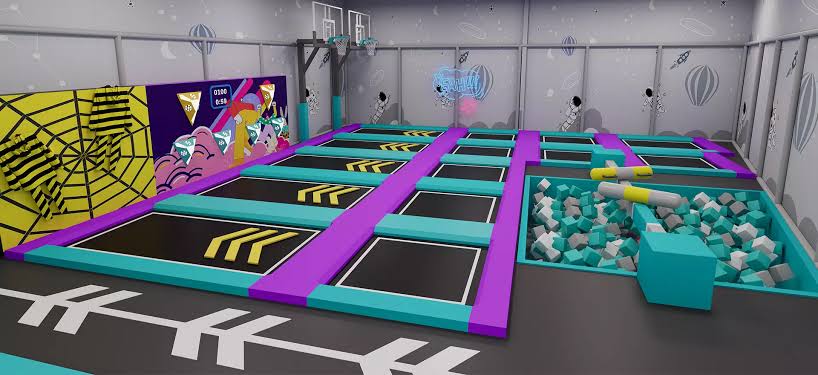
Modern recreation centers are evolving into dynamic destinations where families, children, teenagers, and adults can enjoy active entertainment under one roof. Among the most engaging attractions available today, trampoline parks stand out because they combine physical activity, social interaction, and exciting challenges. However, creating a successful facility requires more than simply installing trampolines. Careful planning, smart space management, safety considerations, and the right indoor trampoline park equipment are all essential for developing an attractive and sustainable recreation center.
Understanding the Purpose of the Recreation Center
Before selecting equipment, owners and developers should clearly define the purpose of the facility. A modern recreation center may serve several customer groups, including young children, teenagers, families, fitness enthusiasts, school groups, and corporate visitors. Understanding these audiences helps determine what attractions should be included and how the available space should be organized.
An indoor trampoline area can become the central attraction, while additional activities such as climbing features, soft play zones, obstacle courses, interactive games, and party rooms can create a more complete entertainment experience. The objective should be to develop a facility that encourages visitors to stay longer and return frequently.
Evaluating the Available Space
Space planning is one of the most important stages of developing an indoor recreation center. The building should be evaluated according to its total floor area, ceiling height, structural characteristics, entrances, exits, columns, utilities, and available circulation space.
The trampoline area should have sufficient room around each attraction for safe movement. Designers also need to consider how visitors will enter, exit, wait, observe activities, and move between different zones. Proper spacing can reduce congestion and make the center easier for staff to supervise.
A well-designed layout can divide the facility into clearly defined activity areas. For example, a dedicated trampoline zone may include open jumping areas, angled trampolines, dodgeball courts, basketball jump zones, and areas designed for younger visitors.
Selecting the Right Indoor Trampoline Park Equipment
Equipment selection should be based on the facility’s goals, available space, expected visitor numbers, and target age groups. High-quality indoor trampoline park equipment can provide the foundation for an exciting and versatile recreation center.
Standard trampoline courts are useful for open jumping and recreational activities, while specialized configurations can introduce different levels of challenge. Basketball dunk zones can appeal to teenagers and adults, while dodgeball areas encourage group participation and competition.
For younger children, smaller-scale attractions can provide age-appropriate entertainment. Foam pits, soft landing areas, balance elements, climbing challenges, and obstacle features can complement trampoline activities and create a broader experience.
Rather than filling every available square meter with attractions, planners should focus on creating a balanced combination of activities. The right mix can improve visitor flow while giving guests multiple reasons to explore the facility.
Prioritizing Safety From the Beginning
Safety should be incorporated into the design process rather than treated as an afterthought. Every attraction should be selected and installed according to applicable safety requirements and the manufacturer’s specifications.
Protective padding, secure frames, suitable landing surfaces, safety netting, and clearly defined activity boundaries are important considerations. Equipment should also be inspected regularly to identify wear, damage, or loose components.
Staff supervision is another major part of a safe recreation center. Employees should understand operating procedures, emergency responses, visitor rules, and equipment limitations. Clearly displayed instructions can help visitors understand how to use different attractions responsibly.
Creating Efficient Visitor Flow
A modern recreation center should feel spacious and organized even during busy periods. Visitor flow can have a major influence on customer satisfaction. Designers should consider how guests move from reception to activity zones, party rooms, seating areas, restrooms, and refreshment areas.
Separate entrance and exit pathways can help reduce unnecessary crowding. Waiting areas should be positioned where guests can easily understand when and where they can participate.
Activity zones should also be arranged according to their intended users. For instance, a dedicated children’s section can help separate younger visitors from faster-moving activities designed for older participants.
Adding Variety to the Experience
A successful recreation center should provide more than one attraction. While trampolines may be the primary feature, complementary activities can make the facility more engaging.
Obstacle courses can challenge agility and coordination. Climbing walls can provide vertical challenges, while soft play structures can offer imaginative activities for younger children. Interactive digital attractions may also appeal to visitors looking for technology-based entertainment.
Combining different experiences allows families with different interests to enjoy the same facility. It can also encourage visitors to spend additional time inside the center.
Designing for Parties and Group Activities
Birthday parties, school outings, camps, and corporate events can become important revenue opportunities for a recreation center. Therefore, event planning should be considered when designing the original layout.
Party rooms should be conveniently located near the main activity areas without creating excessive noise or congestion. Storage areas, food service spaces, seating, and staff access should also be considered.
Group-friendly indoor trampoline park equipment can support activities such as dodgeball competitions, team challenges, and organized jumping sessions. These attractions can make the facility suitable for private events as well as everyday recreational use.
Considering Durability and Maintenance
Equipment receives significant use in a busy recreation center, so durability should be a major purchasing consideration. Facility owners should evaluate the quality of construction, materials, protective components, replacement parts, and maintenance requirements before making a decision.
A maintenance schedule should cover regular inspections, cleaning, padding checks, structural examinations, and replacement of worn components. Keeping accurate maintenance records can also help managers identify recurring problems and plan future improvements.
Choosing reliable equipment at the beginning can help reduce unexpected downtime and support consistent customer experiences.
Planning for Accessibility and Inclusivity
Modern recreation centers should be designed to welcome as many visitors as possible. Accessibility should be considered throughout the facility, including entrances, pathways, seating, restrooms, and activity areas.
Where appropriate, planners can incorporate attractions that accommodate different abilities and participation levels. Quiet areas or lower-intensity spaces may also benefit visitors who prefer less stimulating activities.
An inclusive approach can make the recreation center more welcoming to families and community groups while expanding its potential audience.
Creating an Appealing Interior Environment
The visual appearance of a recreation center can strongly influence customer perception. Bright, modern interiors, attractive signage, organized activity zones, and comfortable seating can contribute to a positive experience.
Lighting should support visibility throughout activity areas without creating distracting glare. Signage should be easy to understand and positioned where visitors naturally look for information.
Branding can also be incorporated into walls, reception areas, activity zones, and party spaces. A consistent visual identity can help the facility create a recognizable presence in the local entertainment market.
Preparing for Future Growth
Recreation trends change over time, so flexibility should be included in the original design. Instead of creating a layout that can never be modified, owners should consider spaces that can accommodate future attractions or equipment upgrades.
Modular indoor trampoline park equipment can make it easier to adjust selected areas as customer preferences change. Future planning may also involve expanding party services, introducing new challenges, or replacing older attractions with updated experiences.
A flexible design can help extend the useful life of the recreation center and make future investments easier to manage.
Building a Complete Recreation Experience
Planning a modern recreation center involves much more than choosing attractive equipment. The facility needs to combine entertainment, safety, efficient movement, durability, accessibility, and operational practicality.
The right indoor trampoline park equipment can serve as the foundation of an exciting activity center, but its success depends on how effectively it is integrated into the overall environment. By understanding the target audience, evaluating the available space, selecting suitable attractions, prioritizing safety, and planning for future development, owners can create a recreation center that delivers an engaging experience for visitors and supports long-term business performance.