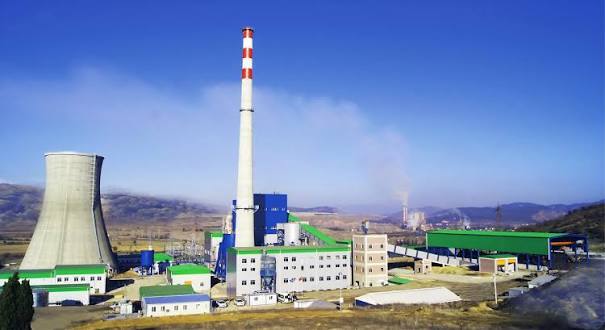
As energy demand continues to grow, power generation projects need solutions that are reliable, efficient, flexible, and capable of adapting to changing requirements. Traditional power plant expansion methods can involve lengthy engineering power plant extension modular design processes, complex construction activities, and significant disruption to existing operations. This is where power plant extension modular design provides a practical alternative. By using standardized and prefabricated modules, energy developers can expand generating capacity while improving project efficiency and reducing construction complexity.
RUNH POWER supports the development of power generation projects with engineering, equipment integration, and turnkey project capabilities. Modular approaches can be particularly valuable for projects that need additional capacity without completely rebuilding existing infrastructure.
Faster Project Implementation
One of the major benefits of modular design is the potential to shorten project implementation schedules. Conventional power plant extensions often require extensive on-site construction, fabrication, installation, and coordination. Modular systems allow many components to be designed, manufactured, assembled, and tested in controlled environments before reaching the project site.
This approach can reduce the amount of work that must be completed on-site. Once modules arrive, installation can focus on connecting and integrating prepared components with the existing plant infrastructure. Better preparation utility scale small capacity power plant engineering in asia can help reduce construction delays caused by weather, site conditions, or coordination problems.
For energy projects operating under strict completion schedules, faster installation can provide an important commercial advantage.
Improved Construction Efficiency
A power plant extension modular design separates many engineering and construction activities into manageable modules. Each module can be developed according to clearly defined technical specifications and installation requirements.
Factory-based manufacturing can also provide a more controlled working environment. Components can undergo inspection and quality checks before shipment, helping identify potential issues earlier in the project lifecycle.
This organized approach can simplify site activities and reduce the number of complicated construction tasks performed simultaneously. It can also make project planning easier because individual modules have defined dimensions, functions, connection points, and installation sequences.
Flexible Capacity Expansion
Energy demand does not always increase at a predictable rate. A power plant may need additional capacity because of industrial development, population growth, grid expansion, or changes in electricity consumption. Modular design provides flexibility for these changing requirements.
Instead of designing an expansion as one large and rigid structure, developers can consider capacity additions through individual modules. This can make it easier to scale a project according to available investment, energy demand, and site conditions.
This flexibility is especially relevant to utility scale small capacity power plant engineering in asia, where different markets can have significantly different electricity requirements, infrastructure conditions, and development schedules.
Better Use of Existing Infrastructure
Extending an operating power plant presents unique challenges because the new system must work with existing equipment, buildings, electrical systems, control systems, and utility connections. A modular approach can help engineers plan the extension around the existing infrastructure.
Modules can be designed with specific connection points and interfaces that support integration with the existing facility. Careful engineering can reduce unnecessary modifications and help maintain the functionality of existing equipment.
This is particularly useful when an energy developer wants to increase output without replacing an entire plant.
Reduced On-Site Construction Requirements
Large construction projects can create significant activity at the project site. Conventional expansion may require extensive fabrication areas, temporary facilities, storage space, and labor. Modular construction can shift a substantial portion of fabrication work away from the site.
As a result, the project site may require fewer construction activities during the installation phase. This can be beneficial when expansion work is taking place next to an operating power plant.
Reducing on-site work can also help improve organization and safety by limiting the number of simultaneous construction operations.
Enhanced Quality Control
Quality management is critical for power generation projects because equipment and systems must operate reliably over long periods. Modular manufacturing allows components to be produced under controlled conditions with standardized procedures.
Testing and inspection can be performed turnkey power plant construction before modules are transported to the project location. Engineers can verify dimensions, connections, and system performance according to project specifications.
A structured quality-control process can reduce the possibility of discovering major fabrication issues after installation. This can help improve project reliability and minimize costly corrective work.
More Predictable Project Costs
Cost control is another important consideration in power plant expansion. Traditional construction can be affected by changing labor requirements, material availability, site conditions, and construction delays.
Modular design can make project costs more predictable by standardizing equipment packages and manufacturing processes. Engineering teams can estimate material requirements and installation activities more systematically.
Although the total cost of a modular project depends on its technology, capacity, location, transportation requirements, and integration complexity, better planning can reduce uncertainty during construction.
For clients seeking turnkey power plant construction, integrated project execution can provide additional coordination between engineering, procurement, manufacturing, installation, and commissioning activities.
Easier Transportation and Installation Planning
A modular system is divided into components that can be transported and installed according to a planned sequence. This can make logistics more manageable, particularly for projects located in regions where transportation infrastructure presents challenges.
Before manufacturing begins, engineers can evaluate module dimensions, weight, transportation routes, lifting requirements, and site access. This planning helps reduce the risk of unexpected logistical problems.
RUNH POWER can apply integrated engineering and project coordination principles to help align equipment design with transportation, installation, and commissioning requirements.
Improved Project Safety
Safety is an essential consideration during power plant construction and expansion. Modular construction can reduce certain high-risk activities at the project site by transferring more fabrication and assembly work to controlled manufacturing environments.
Fewer complicated construction operations at the plant can make it easier to organize work areas, control access, and coordinate personnel. Pre-assembled modules can also reduce the amount of repetitive fabrication required around operating equipment.
A well-planned modular extension should still include comprehensive site-specific safety procedures, risk assessments, lifting plans, and commissioning controls.
Suitable for Different Energy Markets
Energy projects vary widely in size and complexity. A modular approach can be adapted to different project requirements rather than relying on a single construction model.
For utility scale small capacity power plant engineering in asia, modular solutions can be particularly useful where developers need dependable generation capacity while working within limited budgets, constrained sites, or developing infrastructure environments.
Different regions may also have different requirements for grid connection, environmental conditions, fuel supply, transportation, and local construction capabilities. Modular engineering can account for these factors during the design stage.
Simplified Maintenance and Future Upgrades
Modular systems can also support future maintenance and modernization. Clearly defined modules and standardized interfaces can make individual components easier to inspect, replace, or upgrade.
As technologies improve, certain systems may eventually require modernization. A modular plant extension can provide a structured framework for upgrading selected sections without redesigning the entire facility.
This long-term flexibility can help power plant owners protect their investments and respond to future operational requirements.
Supporting Reliable Energy Development
The ultimate goal of a power plant extension is to provide additional reliable generation capacity. Modular design supports this objective by combining structured engineering, controlled manufacturing, efficient installation, and flexible expansion.
For companies developing new generation facilities or expanding existing plants, working with an experienced engineering and construction partner is important. RUNH POWER’s capabilities in power generation project development can help clients coordinate the technical and practical requirements associated with plant expansion.
Conclusion
Power plant extension modular design offers several advantages for modern energy projects, including faster implementation, improved construction efficiency, flexible capacity expansion, better quality control, reduced site work, and more predictable project planning. It can also help power plant owners make better use of existing infrastructure while preparing for future upgrades.
As electricity demand continues to evolve, modular approaches can provide a practical way to expand generation capacity without relying entirely on traditional construction methods. When combined with professional engineering, equipment integration, installation, and commissioning, modular design can contribute to efficient and reliable power generation projects.
For projects requiring turnkey power plant construction, an integrated approach from engineering through commissioning can further simplify project execution. With the right planning and technical expertise, modular expansion can become an effective strategy for developing flexible and dependable energy infrastructure across Asia and other growing power markets.